ROLE:
UX STUDENT RESEARCHER
CONTEXT:
TECH3LAB, HEC MONTRÉAL
METHODS:
CONTROLLED EXPERIMENT, INTERVIEWS, SURVEYS
YEAR:
2022
AR Museum Experience
overview.
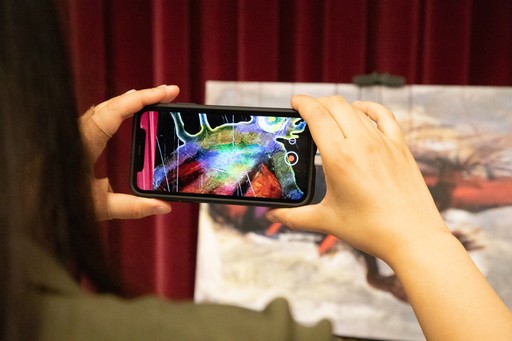
At the beginning of 2022, I came across an article on Medium about Artivive, an Austrian startup that uses augmented reality to transform how people experience art. I was immediately drawn to it, not just as a researcher, but as someone who grew up in Austria and has always been curious about how technology changes the way we experience culture.
I took my chance and reached out to Artivive. They pointed me to the Austrian Embassy in Canada, who happened to be working with them on an exhibition celebrating 70 years of diplomatic relations between Austria and Canada.
That coincidence became the foundation of everything that followed.
the collaboration.
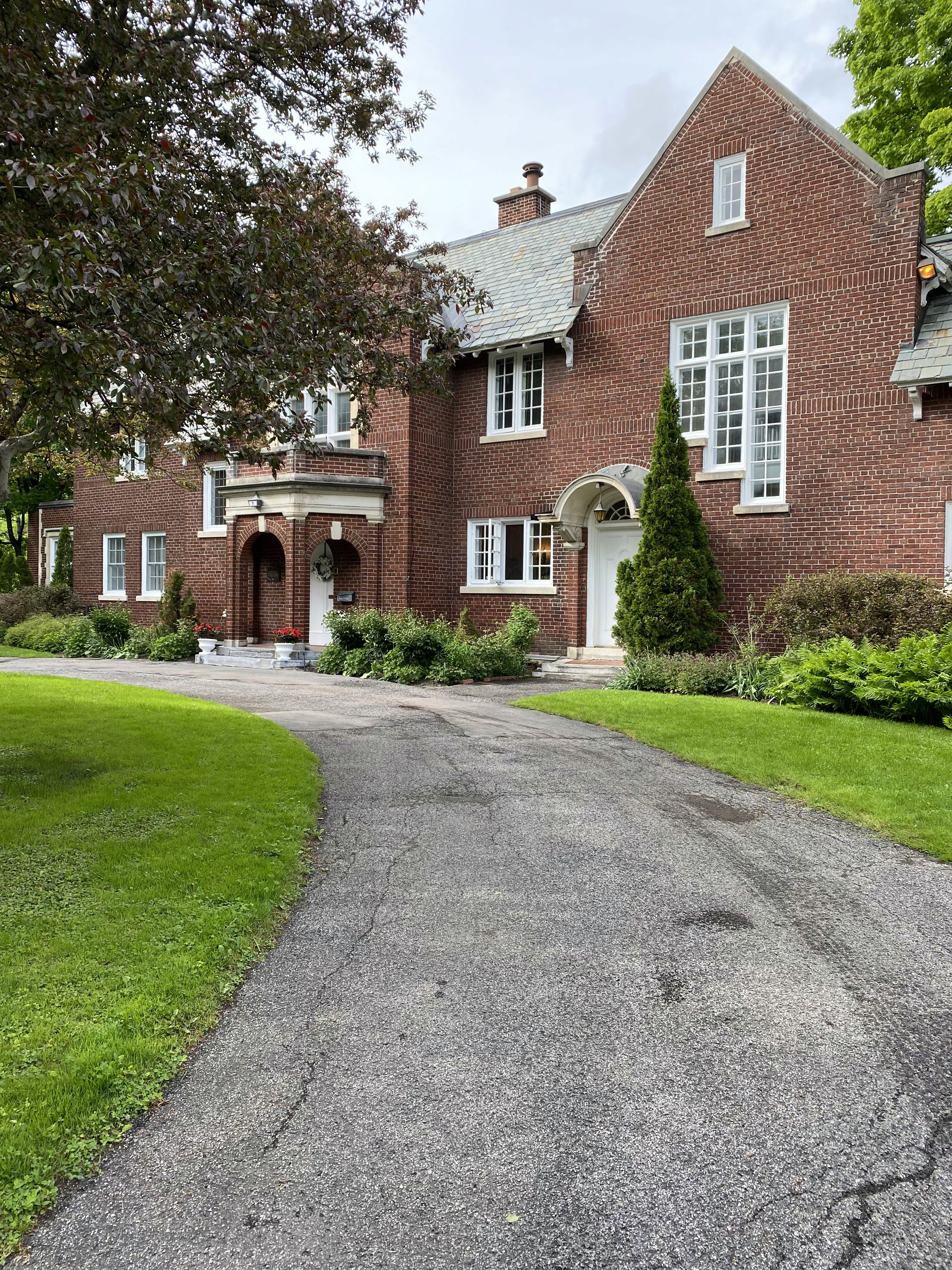
I pitched my research idea directly to the Austrian Embassy in Ottawa and was invited to meet the Ambassador at her residence. That meeting marked the beginning of a collaboration between HEC Montréal, the Austrian Embassy in Canada, the Canadian Embassy in Vienna, and Artivive.
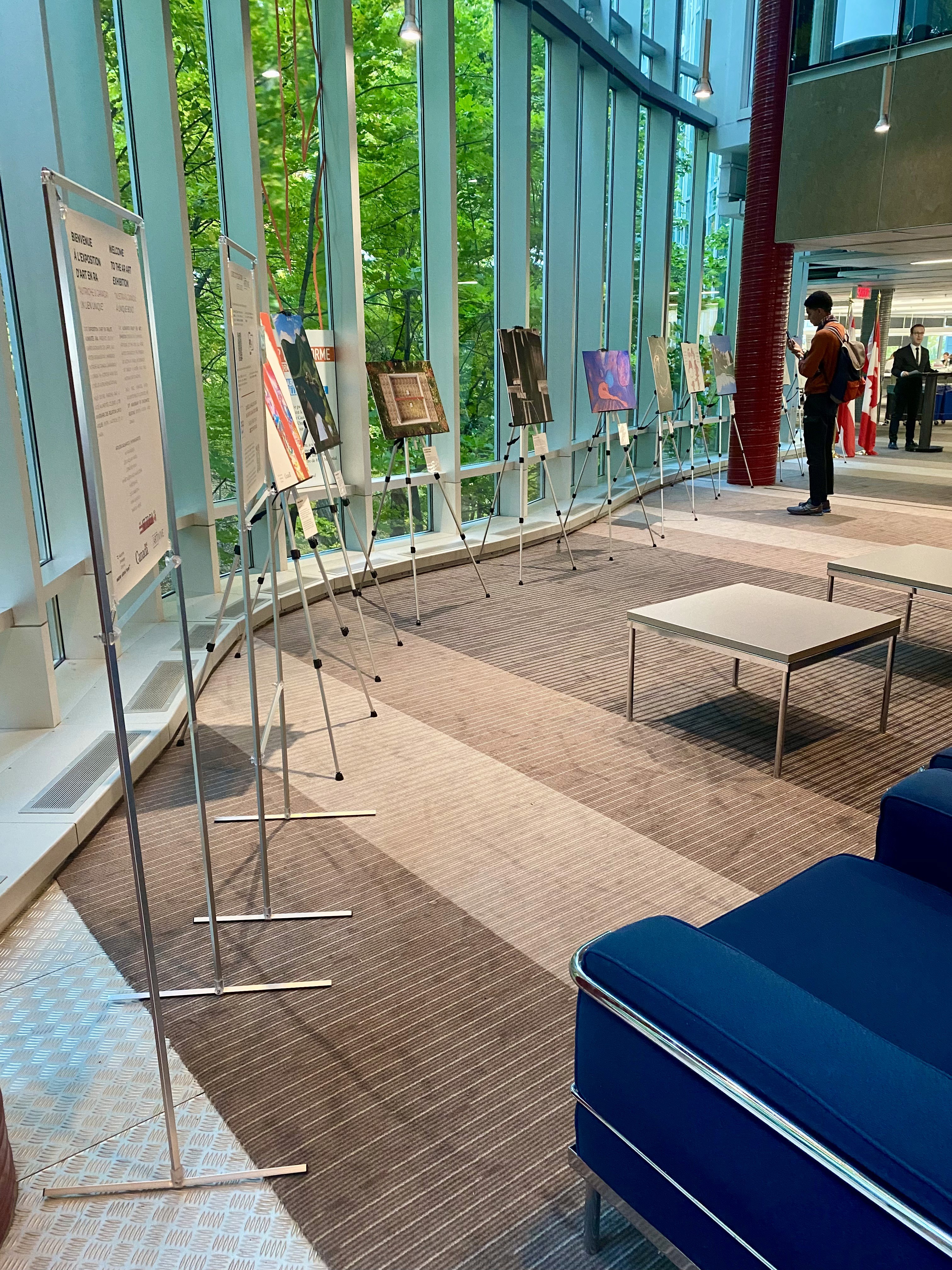
The study used the embassy's AR art exhibition "Austria & Canada: A Unique Bond" as the research environment. The exhibition ran at the HEC Montréal Library from October to December 2022, open to the public.

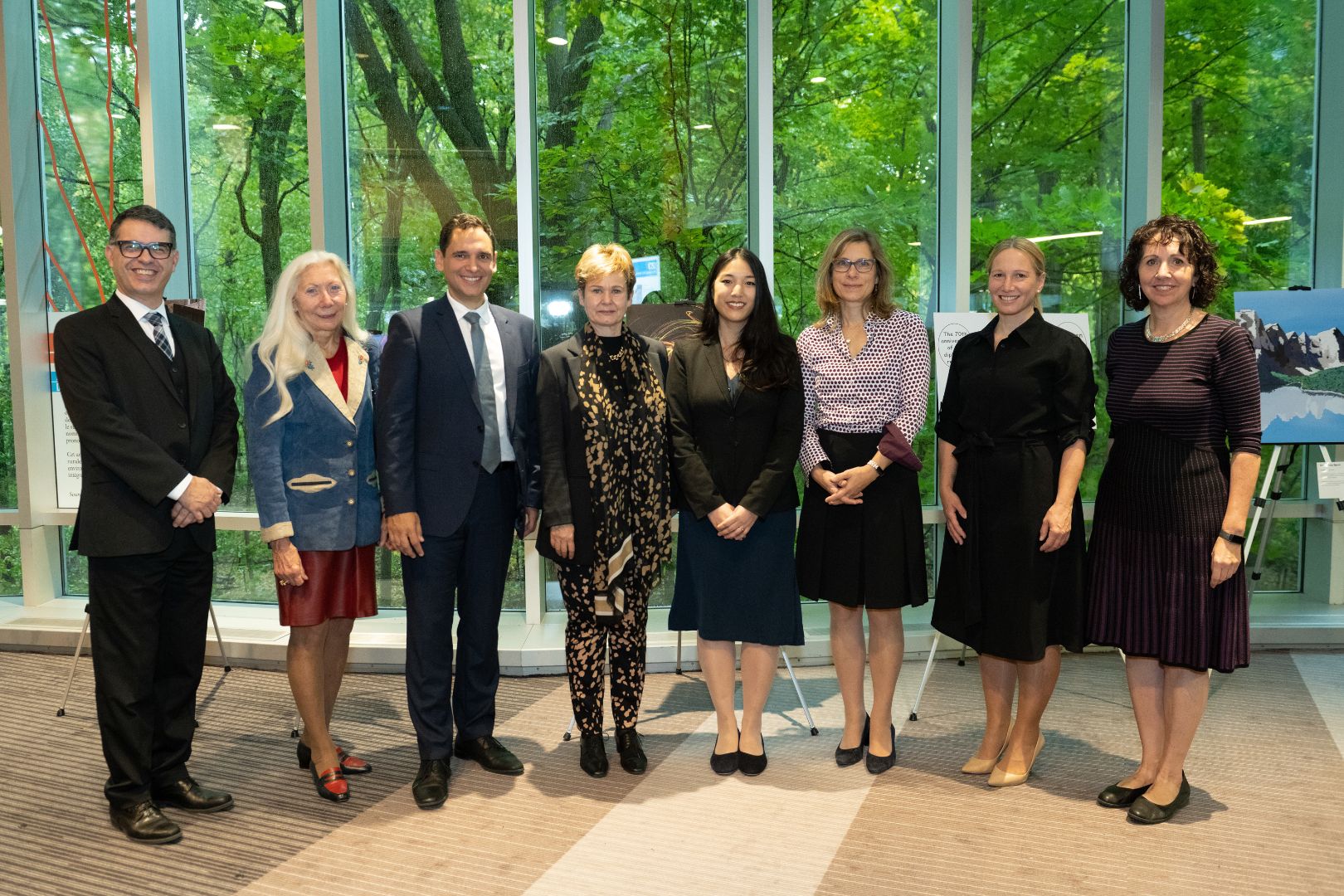
In October, Her Excellency Sylvia Meier-Kajbic, the Austrian Ambassador to Canada, came to HEC Montréal for a special event where I presented the research findings. One of those moments you don't forget.
As an Austrian living in Canada, this project felt unusually personal. It also reminded me that the most interesting research opportunities don't always come from assignments. Sometimes you just have to reach out and ask.

the research.
Augmented reality in museum contexts was a relatively unexplored research area at the time. There wasn't much prior work to build on, which made the study design both exciting and challenging.
The research question: how do digital exhibit labels and gamification affect the visitor experience in an AR art exhibition? Specifically, do they influence cognitive absorption, aesthetics, education, entertainment, escapism, engagement, and behavioural intentions?
The study used a mixed experimental design with two factors:
Exhibit label format: print vs. digital
Gamification: none vs. quiz game
Participants were randomly assigned to conditions. I designed the study, recruited all participants, and ran all 47 sessions myself at Tech3Lab, one of North America's largest UX research laboratories, supervised by my thesis co-directors. Each session included a controlled experiment, qualitative interviews, and post-task and post-test surveys.
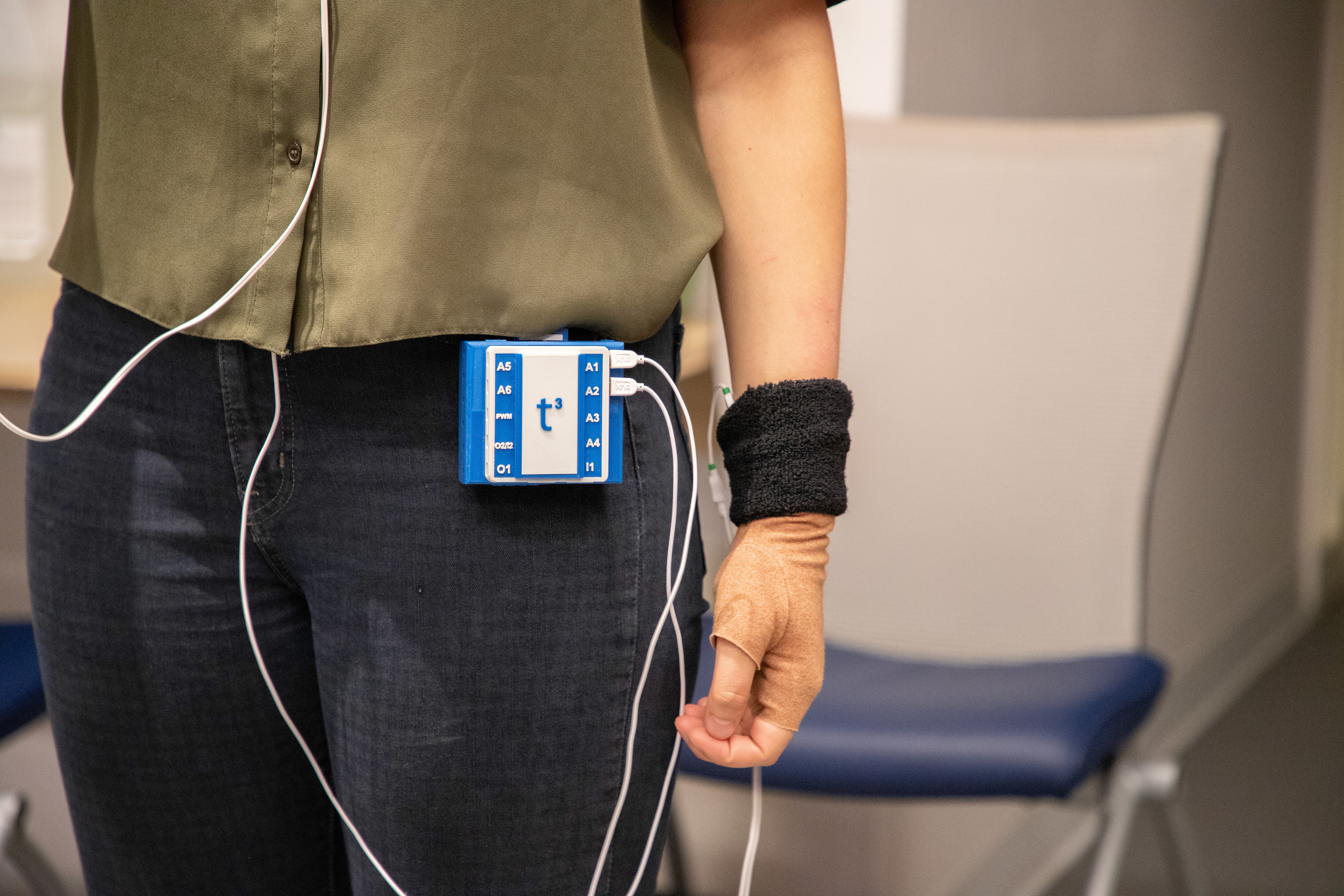
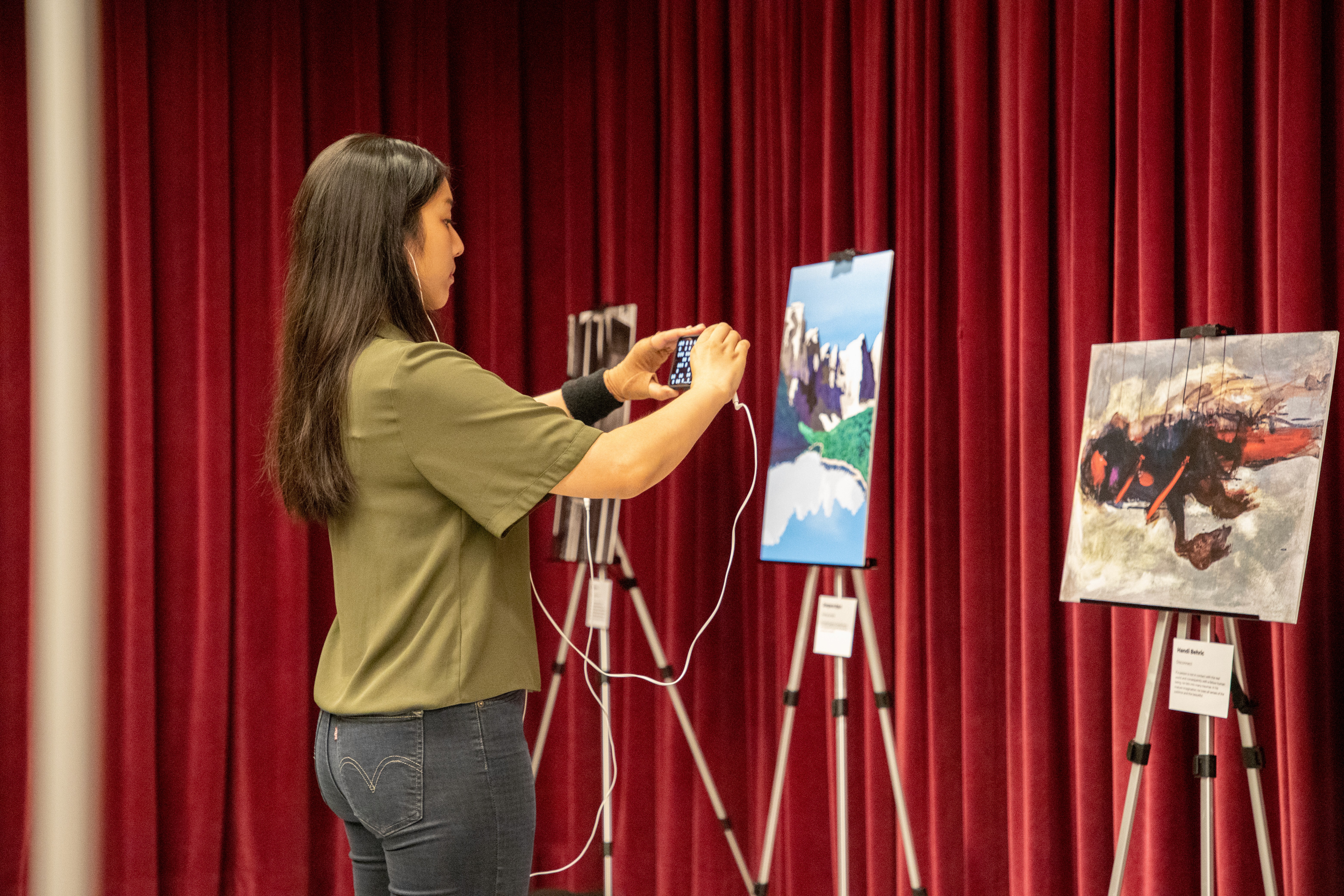
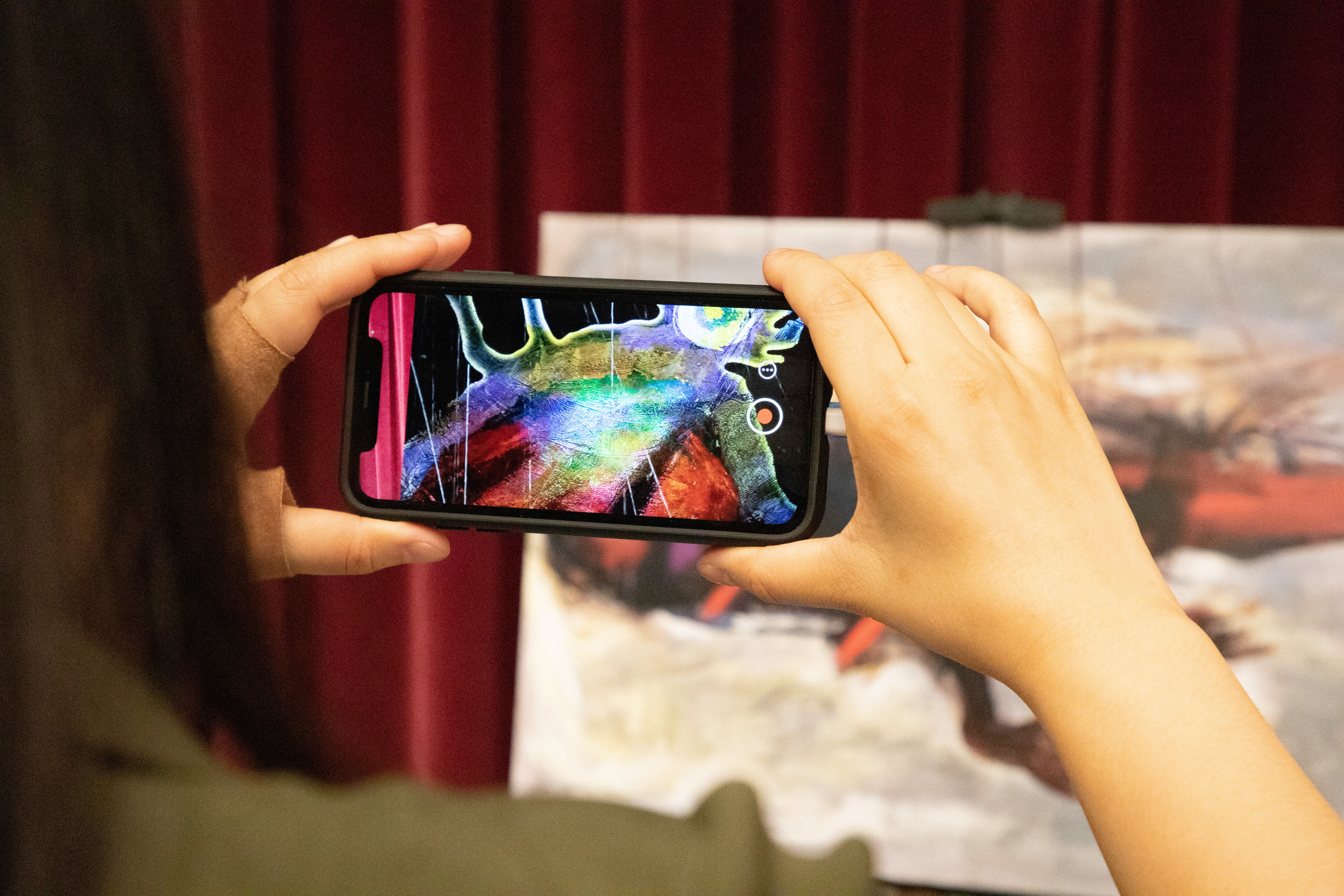
One of the biggest challenges was creating a genuine museum experience within a research setting. The study needed to feel natural, not like a lab experiment. Using a real AR art exhibition with real artworks, in a classroom transformed into an exhibition space with large red velvet curtains, made that possible.
The main finding: digital exhibit labels led to significantly higher cognitive absorption than print. That absorption had a positive ripple effect on how visitors experienced the aesthetics, the educational value, the entertainment, and their overall engagement with the exhibition.
In plain language: visitors don't just read more. They feel more.
recognition.
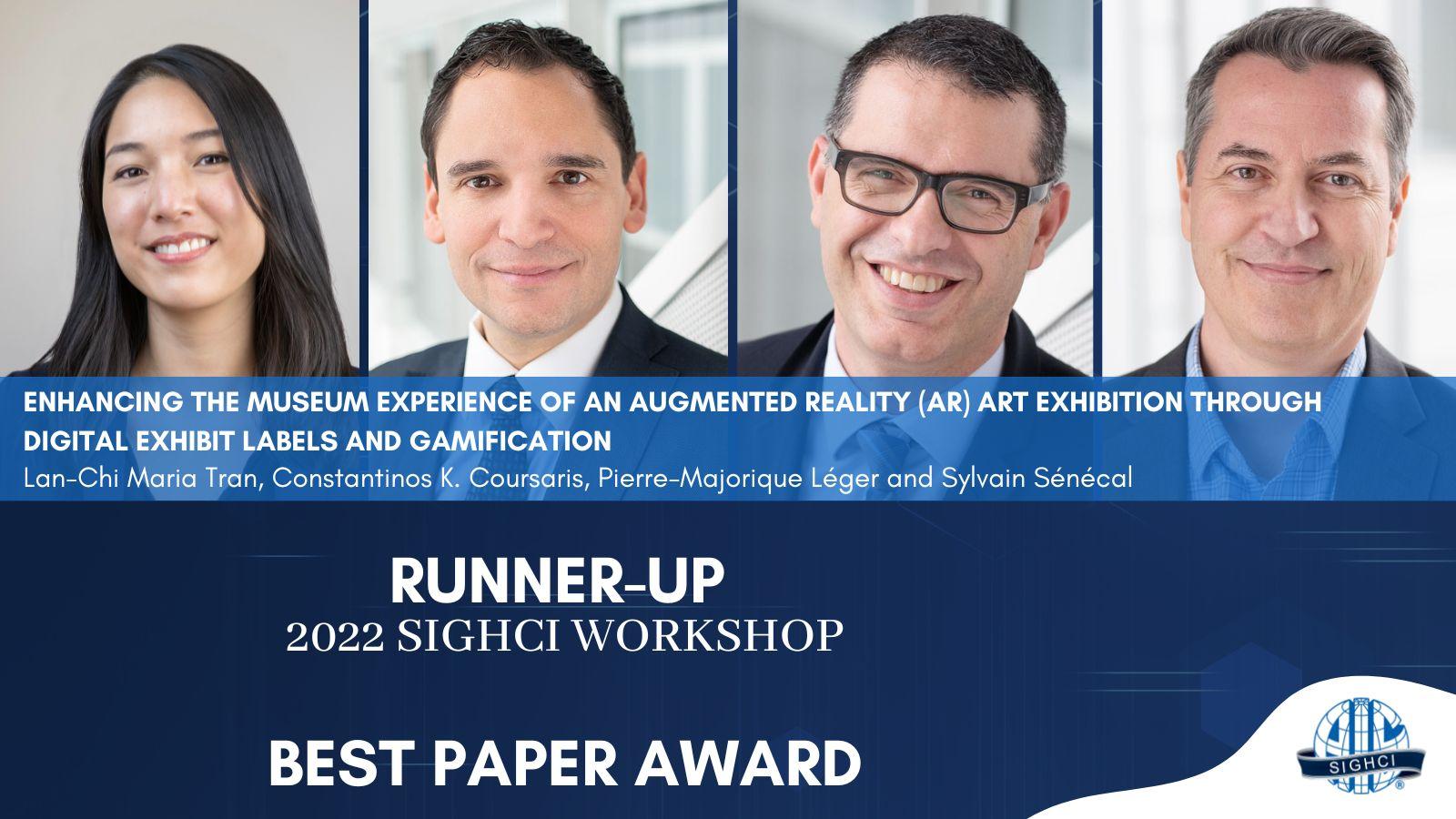
Enhancing the Museum Experience of an Augmented Reality (AR) Art Exhibition Through Digital Exhibit Labels and Gamification
SIGHCI 2022 Best Paper Runner-Up · NSERC-funded
Let's connect.
© 2026 Lan-Chi Maria Tran